If you want a suburb that feels active, growing, and tied to the water, Little Elm deserves a closer look. You may be comparing North Texas communities and wondering where you can find more space, newer housing, and everyday access to outdoor recreation without losing convenience. This guide will help you understand what living in Little Elm is really like, from housing and parks to growth and future potential. Let’s dive in.
Why Little Elm Stands Out
Little Elm sits on the north shore of Lewisville Lake in Denton County, and that lake connection shapes much of daily life. The town reports that more than 66 miles of its incorporated limits touch the lake shoreline, giving it a distinct identity compared with many other suburban communities in DFW.
It is also growing quickly. The U.S. Census Bureau estimated Little Elm’s population at 61,219 on July 1, 2024, which reflects 31.7% growth since April 1, 2020. That pace matters because it points to a town that is still adding homes, businesses, and amenities.
Town leadership describes Little Elm as a lakeside destination where residents can live and play. In practical terms, that means you are not just moving to a bedroom suburb. You are moving to a place where recreation, housing growth, and mixed-use development all play a visible role.
Little Elm Lifestyle and Lake Access
For many buyers, the biggest draw is simple: lake life is part of everyday living here. Little Elm Park offers a public-facing lakefront experience with a boat ramp, swim beach, hiking and biking trails, sand volleyball, picnic areas, an amphitheater, and tent camping.
One detail that stands out for families and casual visitors is the enclosed public swim beach. According to the town, that beach does not allow boat traffic, which helps create a more defined swimming area.
Cottonwood Park adds another version of the lakefront lifestyle. It includes lake views, a kayak launch, shoreline fishing, and both paved and granite trails, giving you another option if you enjoy being outside but want a quieter outing.
Beyond the shoreline itself, Little Elm continues to build out its park and trail network. The town highlights McCord Park and Union Park as key community spaces that expand recreation beyond the lake.
Parks and outdoor amenities
McCord Park, on the east side of town, connects toward the Lakefront district and includes:
- Splash pad
- Disc golf
- Dog park
- Trails
- Other active-use amenities
Union Park, along the U.S. 380 corridor, includes:
- Fishing pond
- Bark park
- Exploration park
- Walking track
- Pickleball
- Basketball
If your ideal suburb includes time outdoors, Little Elm offers more variety than a place built around a traditional downtown square. The parks, trails, shoreline, and lakefront spaces shape how many residents spend weekends and evenings.
The Lakefront District Adds Energy
Little Elm’s Lakefront District gives the town a more social, mixed-use layer. The town describes it as a destination district for restaurants, retail, and recreation, which adds another dimension beyond residential neighborhoods and parks.
The Lawn at The Lakefront is a notable anchor in that area. It features a performance pavilion, a half-acre open lawn, and an events plaza that can host food trucks or a farmers market.
That matters if you want a suburb where public spaces feel active and flexible. Instead of relying only on private amenities or driving elsewhere for entertainment, you have a local district designed for gathering and events.
The broader lakefront area also includes indoor and entertainment-oriented options such as The Cove at The Lakefront and Tinman Social. Together, these help support the town’s live-play identity and make Little Elm feel more layered than a purely residential suburb.
Housing in Little Elm
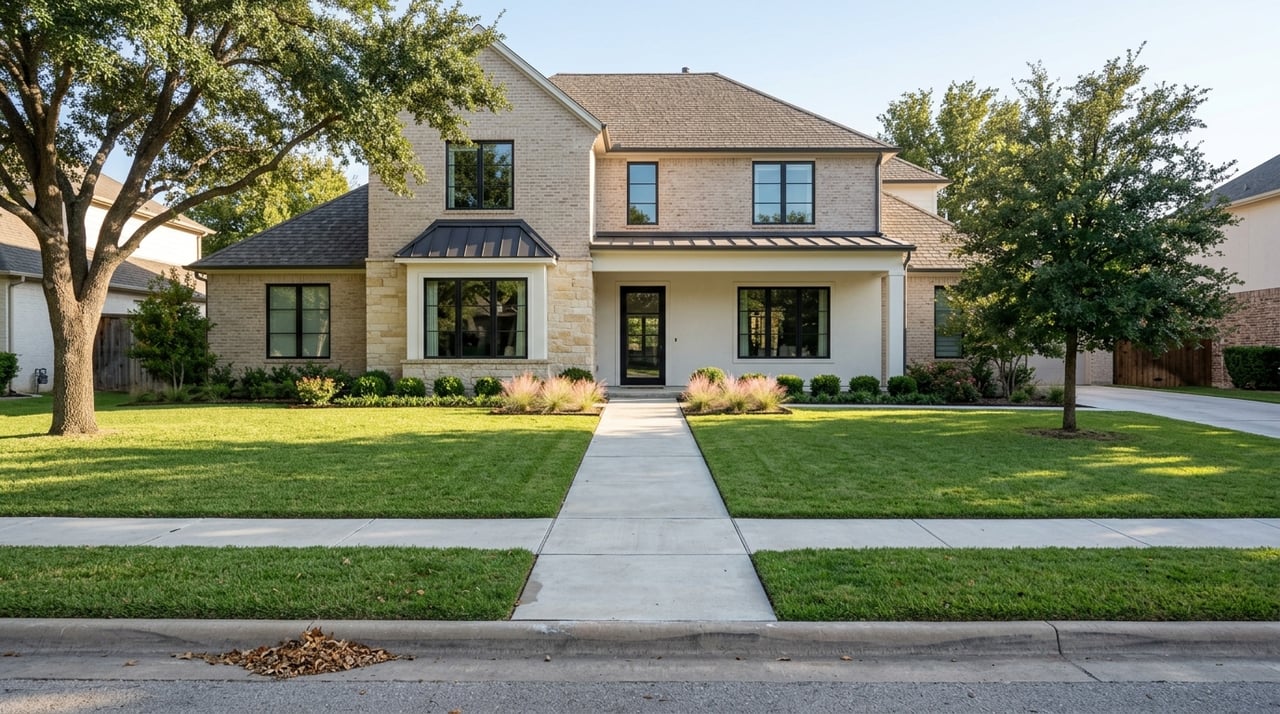
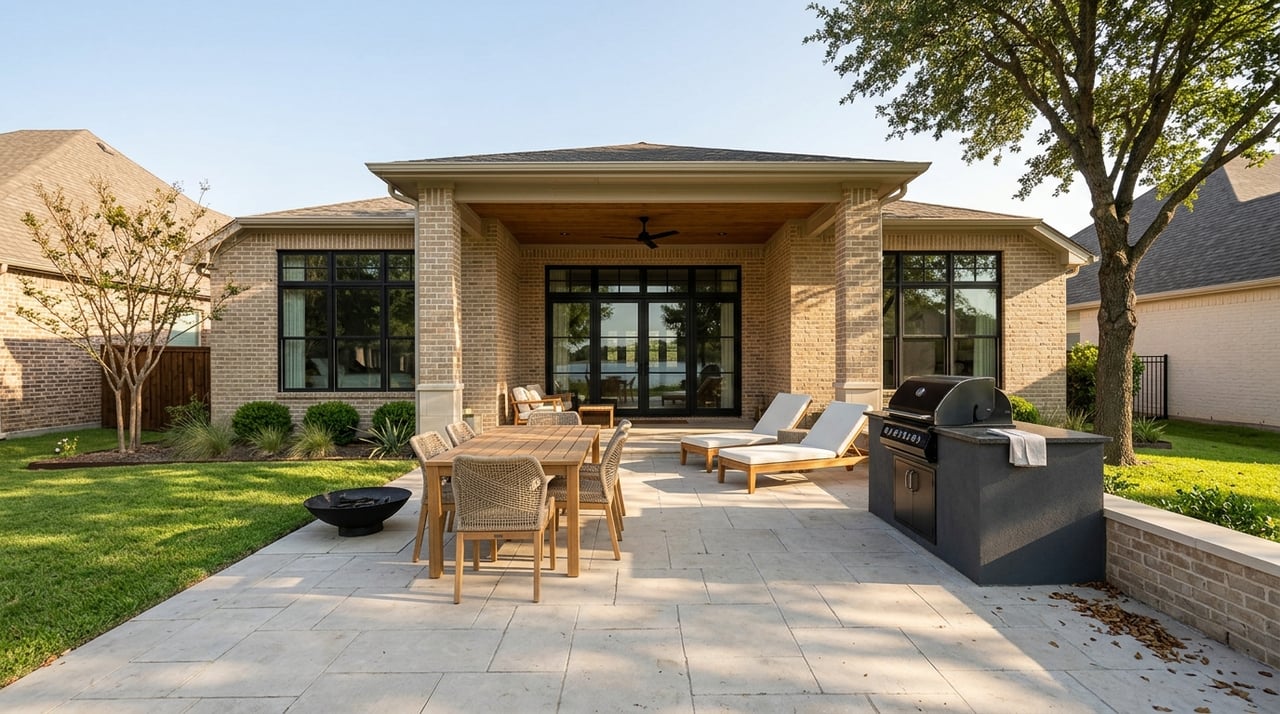
Little Elm’s housing profile still leans suburban. In 2019 through 2023 ACS data, the owner-occupied housing rate was 68.3%, the median owner-occupied home value was $390,300, and the median gross rent was $1,900.
Those numbers help frame the market, but they only tell part of the story. The town’s own planning and financial materials point to a community with a variety of single-family neighborhoods and master-planned developments.
In 2023 alone, Little Elm issued 1,016 single-family permits. That is a strong sign that the town is still in active build-out mode rather than functioning as a fully mature, built-out suburb.
For buyers, that can create more choices. You may find a mix of established areas, newer master-planned communities, and homes in places where reinvestment is becoming part of the story.
What the neighborhood mix feels like
Little Elm’s planning documents suggest three broad patterns in the housing landscape:
- Established residential areas
- Newer master-planned growth
- Ongoing reinvestment in some older neighborhoods
The town has even created a Home Improvement Tax Incentive Program to encourage residential reinvestment. That tells you Little Elm is thinking not only about new growth, but also about maintaining and improving existing housing areas over time.
If you are deciding between resale and new construction, this mix can be helpful. It gives you room to compare location, home style, lot size, amenities, and long-term goals instead of being locked into just one kind of housing stock.
Growth Along U.S. 380
If you drive through Little Elm, one of the clearest growth stories is along U.S. 380. The town’s corridor planning says this area was once largely undeveloped but has experienced explosive suburban growth and now serves as one of the community’s most traveled roadways.
It also functions as a gateway to several fast-growing residential developments. That makes the corridor important not just for traffic patterns, but also for how buyers experience the town’s newer-growth side.
Little Elm’s planning efforts say both the Lakefront District and the U.S. 380 corridor offer opportunities for redevelopment and additional corridor design. In plain terms, this means the town expects these areas to keep evolving.
For you as a buyer or homeowner, that future investment can matter. Growth in roads, retail, mixed-use areas, and public infrastructure often shapes convenience, daily routines, and how different parts of town mature over time.
Retail, Business, and Everyday Convenience
A growing suburb needs more than rooftops. It also needs services, retail, and businesses that support daily life.
Little Elm appears to be expanding on that front as well. The town reported 86 new businesses in 2023, along with $77.4 million in new commercial construction.
It also reported 2,610,837 square feet of retail space with a 93.97% lease rate, plus 345,792 shovel-ready square feet already committed to future projects. Those figures suggest a town that is still adding practical conveniences and commercial activity as the population grows.
This is one reason Little Elm appeals to buyers who want growth potential. It is not simply a scenic lake town. It is also a suburb working to expand its services, strengthen key corridors, and create more year-round destination appeal.
Schools and Service Areas
If school access is part of your move, it helps to know that Little Elm is served by multiple K-12 districts. According to the town’s education page, those districts are Frisco ISD, Little Elm ISD, and Denton ISD.
That split can be important when you compare homes in different parts of town. School assignment is tied to a property’s location, so it is worth confirming district information early as you narrow your search.
For many buyers, the key takeaway is flexibility. Little Elm is not served by just one district, which means your search may include homes connected to different educational systems depending on where you want to live.
Who Little Elm May Appeal To
Little Elm can be a strong fit if you want a suburb that feels like it still has room to grow. It offers a blend of outdoor recreation, newer development, single-family housing, and visible investment in future infrastructure and mixed-use areas.
It may especially appeal to buyers who want:
- Access to Lewisville Lake and shoreline parks
- A suburban setting with continued new construction
- A mix of established and newer neighborhoods
- Growing retail and business services
- A town with long-term planning around trails, mobility, and development
The town’s 2026 Strategic Plan also emphasizes trail connectivity, infrastructure reinvestment, and traffic and mobility improvements. That is worth noting because it shows local leadership is planning for growth rather than simply reacting to it.
What to Keep in Mind Before You Move
Little Elm offers a lot, but the right fit depends on your priorities. If you value an established urban core or a historic downtown environment, Little Elm may feel different from older North Texas communities.
Its identity is more tied to the lake, destination parks, expanding neighborhoods, and evolving commercial corridors. For many buyers, that is exactly the appeal.
If you are considering Little Elm, the smartest next step is to compare specific neighborhoods, resale versus new construction options, commute patterns, and how close you want to be to the lakefront or the U.S. 380 growth corridor. Those details can have a big impact on how your day-to-day life feels once you move.
Little Elm continues to stand out as a lakeside suburb with real momentum. It combines recreation, housing choice, and growth in a way that gives buyers both lifestyle value and a sense of future potential.
If you want help comparing Little Elm homes, new construction opportunities, or nearby DFW suburbs, connect with Namrata Bhatt for knowledgeable, personalized guidance.
FAQs
What is Little Elm, Texas known for?
- Little Elm is known for its location on Lewisville Lake, its 66 miles of shoreline, lakefront parks, trails, swim beach access, and a growing Lakefront District with recreation, restaurants, and retail.
Is Little Elm, Texas growing quickly?
- Yes. The U.S. Census Bureau estimated Little Elm’s population at 61,219 in July 2024, up 31.7% from April 2020, and the town also reported strong residential and commercial development activity.
What is the housing market like in Little Elm, Texas?
- Little Elm’s housing stock is largely suburban and includes a mix of single-family neighborhoods, master-planned developments, and areas seeing reinvestment. ACS data for 2019 through 2023 shows a 68.3% owner-occupied rate, a median owner-occupied value of $390,300, and median gross rent of $1,900.
What school districts serve Little Elm, Texas?
- The town lists Frisco ISD, Little Elm ISD, and Denton ISD as the K-12 districts serving the community.
Does Little Elm, Texas have things to do?
- Yes. Local amenities include Little Elm Park, Cottonwood Park, McCord Park, Union Park, The Lawn at The Lakefront, Tinman Social, and The Cove at The Lakefront, along with trails, fishing, kayaking, sports courts, and event spaces.